

Luxury Primate Habituation Safaris in Uganda
February 7, 2025
10-Day Rwenzori Mountains Climbing Expedition
February 7, 2025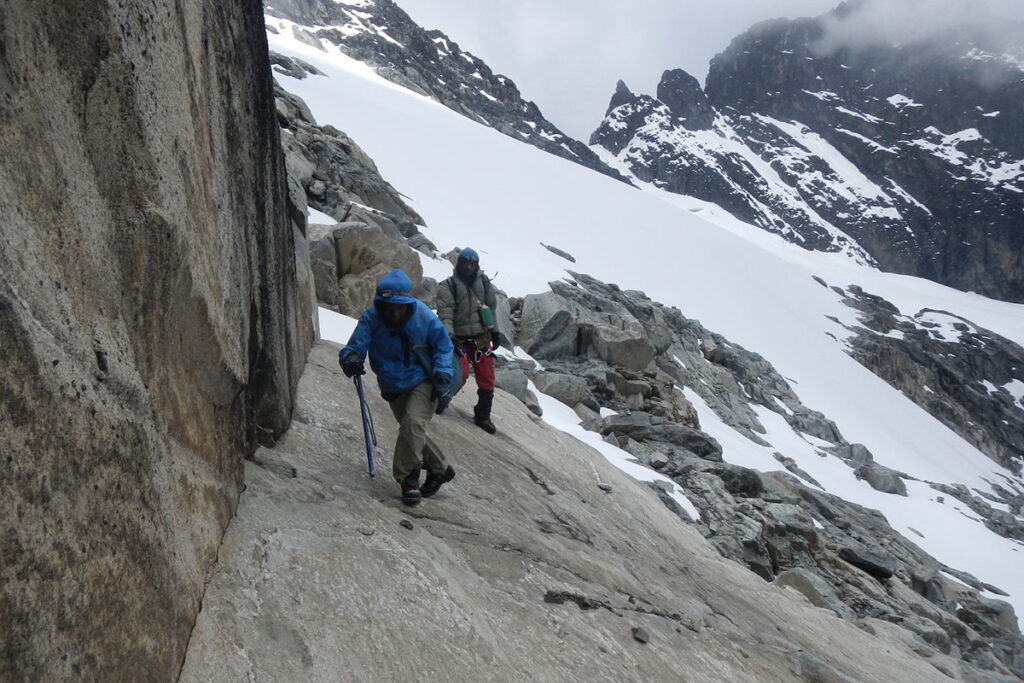
Explore Rwenzori Mountains National Park – The Mystical Challenge
Declared a national park in 1991 and recognized as a UNESCO World Heritage Site in 1994, Rwenzori Mountains National Park is one of Africa’s most breathtaking hiking destinations. Known as the “Mountains of the Moon,” this mystical mountain range offers a unique blend of stunning alpine landscapes, rare wildlife and challenging treks—making it a bucket-list adventure for hikers. In this guide, you’ll learn everything you need to know to explore Rwenzori Mountains National Park and experience the ultimate trekking challenge.
Where is Rwenzori Mountains National Park Located?
Rwenzori Mountains National Park is situated in western Uganda, along the Uganda-Congo border. It protects the highest peaks of the Rwenzori range, stretching 120 km long and 65 km wide. The park boasts a rich ecosystem with over 70 mammal species and 217 bird species, including 19 Albertine Rift endemics.
Beyond hiking, visitors can enjoy cultural experiences with the Bakonzo people, along with bird watching, nature walks and sightseeing that offer insight into the region’s biodiversity and culture.
Overview of Rwenzori Mountains National Park
The park is home to 18 mammal species, 217 bird species, 9 reptile species and 6 amphibian species. Among the notable animals are elephants, buffaloes, giant forest hogs, bushbucks, chimpanzees and the elusive leopard. A Rwenzori hiking experience takes adventurers through distinct vegetation zones—from lush rainforests and bamboo groves to montane and alpine regions—each offering unique scenery and wildlife encounters.
The History and Formation of the Rwenzori Mountains
The Rwenzori Mountains are estimated to have formed around three million years ago. The range comprises six major massifs separated by deep valleys and glacial lakes:
- Mount Stanley – 5,109 meters
- Mount Speke – 4,890 meters
- Mount Baker – 4,843 meters
- Mount Emin – 4,798 meters
- Mount Gessi – 4,715 meters
- Mount Luigi di Savoia – 4,627 meters
The Legendary “Mountains of the Moon”
Greek explorers once called the Rwenzoris the “Mountains of the Moon”, believing they were the source of the Nile. This legend was first noted by the Greek merchant Diogenes, who described towering, snow-capped peaks. However, due to climate change, the glaciers are rapidly retreating, adding urgency to the trek for those wanting to witness them before they disappear.
How Long Does It Take to Hike the Rwenzori Mountains?
The highest summit is Margherita Peak (5,109 meters) on Mount Stanley, which typically requires a 7 to 10-day trek, depending on the route and conditions. Hikers can also explore peaks such as:
- Margherita Peak
- Savoia
- Great Tooth
- Elena Peak
Weismann’s Peak offers panoramic views of Mount Speke and Mount Baker, perfect for photography and scenic appreciation.
Best Time to Visit Rwenzori Mountains
The best trekking conditions occur during the dry seasons:
- December to February
- June to September
These months provide clearer skies, firmer trails and improved wildlife viewing. The rainy seasons—March to May and October to November—pose tougher challenges due to muddy paths and thick vegetation.
How Much Does It Cost to Trek the Rwenzori Mountains?
Trekking costs depend on the duration and package selected. Trek Africa Gorillas offers custom trips such as:


