

Why is the Gorilla Habituation Experience 4 Hours Long?
January 28, 2025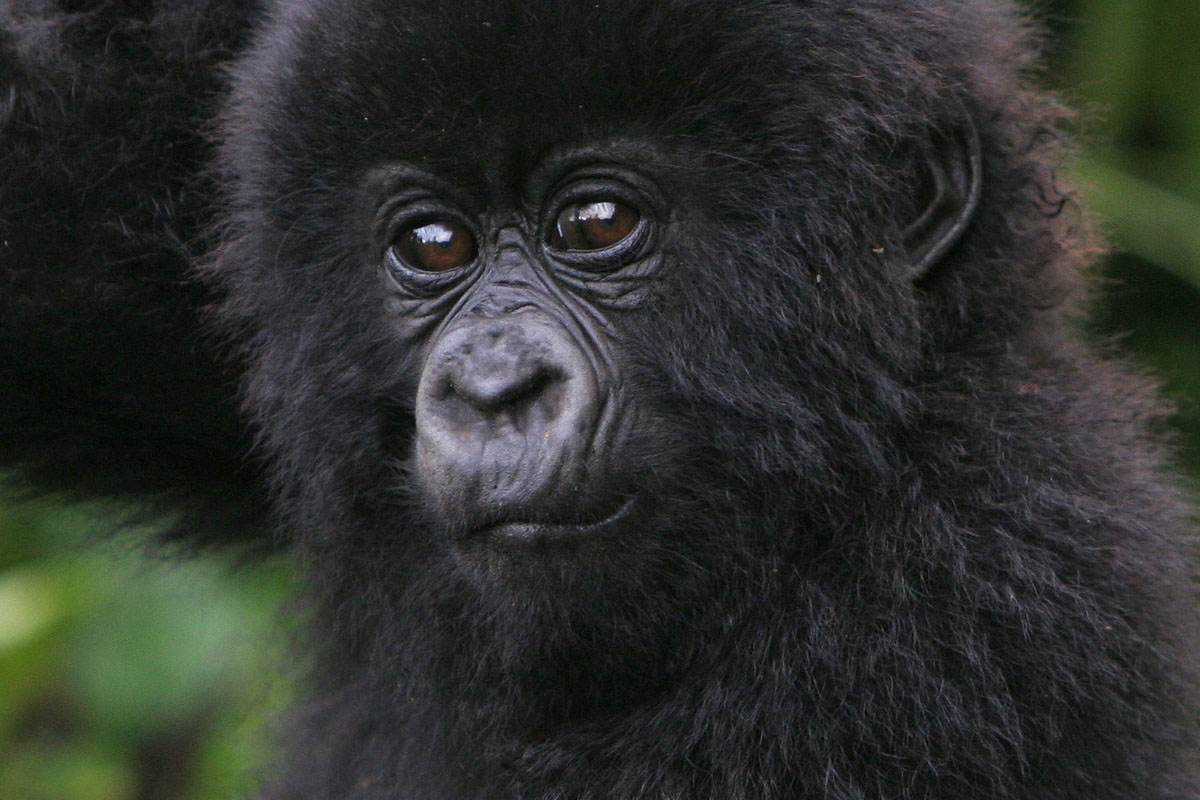
Gorilla Trekking in Africa
January 28, 2025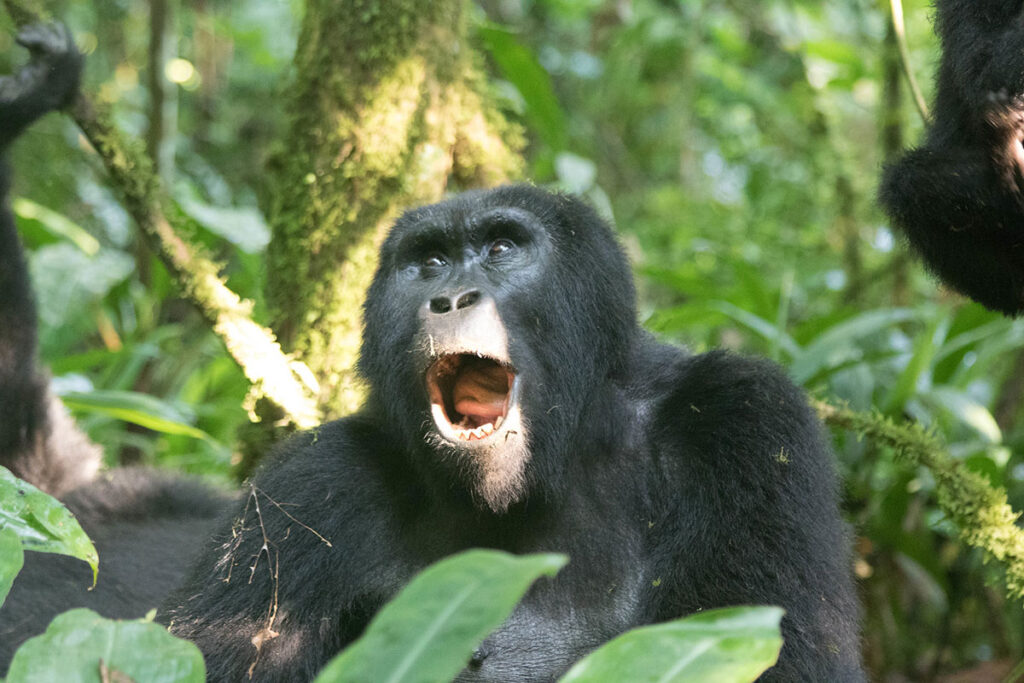
Why Is Gorilla Trekking Expensive in Rwanda and Uganda?
Are you considering a tour to Uganda or Rwanda to see the majestic mountain gorillas but wondering why gorilla trekking is so expensive in these countries? The cost of gorilla trekking may seem high but there are important reasons behind the pricing.
The main factor contributing to the cost is the endangered status of the mountain gorillas. These incredible creatures require significant funds for their conservation and protection against extinction. The funds generated from gorilla trekking permits go directly towards safeguarding their habitats and supporting wildlife protection efforts.
When it comes to the price difference between Uganda and Rwanda, gorilla trekking permits in Uganda cost USD 800 per person per trek, while in Rwanda, the price is USD 1,500. Both of these prices offer a one-hour encounter with the endangered mountain gorillas in Bwindi Impenetrable Forest National Park (Uganda) and Volcanoes National Park (Rwanda), respectively. These two countries, along with Virunga National Park in the Democratic Republic of Congo, are the only places in the world where you can see these extraordinary creatures.
Is Gorilla Trekking in Rwanda and Uganda Worth the Cost?
So, you might be asking: What makes gorilla trekking worth the cost? While the price tag may seem high, it’s important to consider the unique experience and the impact your money has on both wildlife conservation and local communities.
When you purchase a gorilla trekking permit, you’re not just paying for the experience of seeing the gorillas. The funds directly contribute to gorilla conservation, supporting efforts to protect these animals and their natural habitats. For instance, without gorilla trekking, Bwindi Impenetrable Forest National Park—one of the last remaining refuges for these gorillas—would likely have been destroyed long ago. Instead, the revenue generated by trekking helps the Uganda Wildlife Authority protect the park and maintain its biodiversity, which benefits both wildlife and the environment.
Moreover, gorilla trekking brings much-needed foreign exchange to Uganda, promoting environmental conservation and local development. This makes your trek not only a thrilling experience but also an investment in preserving the future of the mountain gorillas.
How Does Gorilla Trekking Benefit Local Communities?
The funds from gorilla trekking also benefit the local communities near Bwindi Impenetrable National Park. A percentage of the money raised from gorilla permits and park entrance fees goes directly to these communities. In fact, 20% of the revenue is distributed annually to local communities, helping fund schools, hospitals and agriculture projects. This encourages locals to become active participants in conservation efforts, as they see the tangible benefits of protecting the gorillas and their habitat.
By supporting the local community’s well-being, you’re helping foster a sustainable relationship between the locals and the wildlife they coexist with. This, in turn, contributes to the ongoing protection of mountain gorillas.
Is Gorilla Trekking Worth the Cost and Effort?
Despite the high cost of gorilla permits and the physical effort required to trek through the forests, many people find the experience to be well worth it. The trek to see the mountain gorillas can be challenging, with steep inclines and muddy conditions but the reward of encountering these gentle giants in their natural habitat is unmatched. Many travelers are so captivated by the experience that they return for additional treks or even purchase multiple permits to go on more than one trek.
Gorilla trekking in Bwindi Impenetrable National Park (Uganda) and Volcanoes National Park (Rwanda) is an unforgettable adventure and the cost is a small price to pay for the opportunity to experience this once-in-a-lifetime encounter with some of the world’s most endangered species.
Uganda vs. Rwanda for Gorilla Trekking: Which Is the Better Option?
Gorilla trekking in Uganda and Rwanda offers a unique and unforgettable experience, with both countries providing access to the endangered mountain gorillas. While there are no major differences in the overall experience, there are some factors that set the two destinations apart.
In Rwanda, the gorillas are located in the Virunga Mountain Range, which features bamboo forests as the primary vegetation. Meanwhile, in Uganda, the gorillas inhabit a rainforest with a variety of trees and plants. Both environments provide a stunning backdrop for your gorilla trek and the chances of seeing gorillas in both countries are 99%—so whichever country you choose, you’re likely to have a successful and rewarding encounter with these gentle giants.
Some believe that Rwanda’s gorillas are easier to spot due to the vegetation in the Virunga Mountains but both Uganda and Rwanda offer well-organized treks and a great experience for all visitors. The choice really comes down to personal preference and logistical considerations.
Comparing Gorilla Trekking in Rwanda and Uganda: What to Expect
One of the biggest differences between trekking in Uganda and Rwanda is the distance to the gorilla trekking sites. In Rwanda, Volcanoes National Park is only about a 2-3 hour drive from Kigali, making it a convenient choice for those with limited time. On the other hand, Bwindi Impenetrable National Park in Uganda requires an 8-9 hour drive from Entebbe.
However, traveling to Uganda for gorilla trekking has become much easier. With our Bwindi trek tours, you can now fly into Kigali, Rwanda and drive for just 4-5 hours to reach Bwindi. This option not only shortens the journey but also helps you save significantly, as gorilla permits in Uganda are USD 800 compared to USD 1,500 in Rwanda, saving you USD 700. Additionally, using the East African Visa, you can visit both Uganda and Rwanda at an affordable price.
Best Time for Gorilla Trekking in Uganda and Rwanda
Gorilla trekking in both Uganda and Rwanda is possible year-round, thanks to the well-organized infrastructure and reliable trekking opportunities. However, the best time for a gorilla safari is during the drier months:
- January & February
- June to early September
During these months, the trails are less muddy, making the hike easier and the vegetation is not as dense, providing a better chance of spotting gorillas.
That said, gorilla trekking can also be enjoyable during the rainy season, as the gorillas tend to stay in areas with abundant food, making it easier to spot them after a short walk.
Why Choose Trek Africa Gorillas for Your Gorilla Trekking Safari?
At Trek Africa Gorillas, we organize memorable gorilla trekking safaris in both Uganda and Rwanda. With years of experience and highly-rated reviews on TripAdvisor, we ensure that you have the adventure of a lifetime while contributing to eco-friendly travel and wildlife conservation.
We offer a variety of packages that combine gorilla trekking with other amazing African adventures, such as chimpanzee trekking, Big 5 safaris, mountain hiking, boat cruises and cultural encounters. Whether you’re looking to explore Tanzania, Kenya, Botswana or Namibia, we provide a comprehensive African safari experience that will leave you with memories to last a lifetime.
Feel free to reach out for more information or any questions you have about gorilla trekking in Uganda and Rwanda, including why it’s considered a premium experience. We’re here to help you plan the best possible trip!


